 Everest Explorers
Everest Explorers
Everest Explorers
We are Pratik, Jumanu, Mihang, Soham, and Anshuman, a team of five students united by our curiosity and passion for understanding the inner workings of computers. Our project delves into the fascinating world of Primary Memory—a critical component in the functioning of modern computing systems.
Through this project, we explore the types, functions, and importance of primary memory, making this complex topic accessible and engaging for everyone.
Primary memory, also known as main memory or RAM (Random Access Memory), is the computer's immediate storage area where data and programs currently in use are kept for quick access by the CPU.
RAM is a type of volatile memory used in computers and other devices to store data temporarily while programs are running. It allows the CPU to quickly access and manipulate data that is actively in use, providing fast read and write speeds essential for smooth and efficient performance.
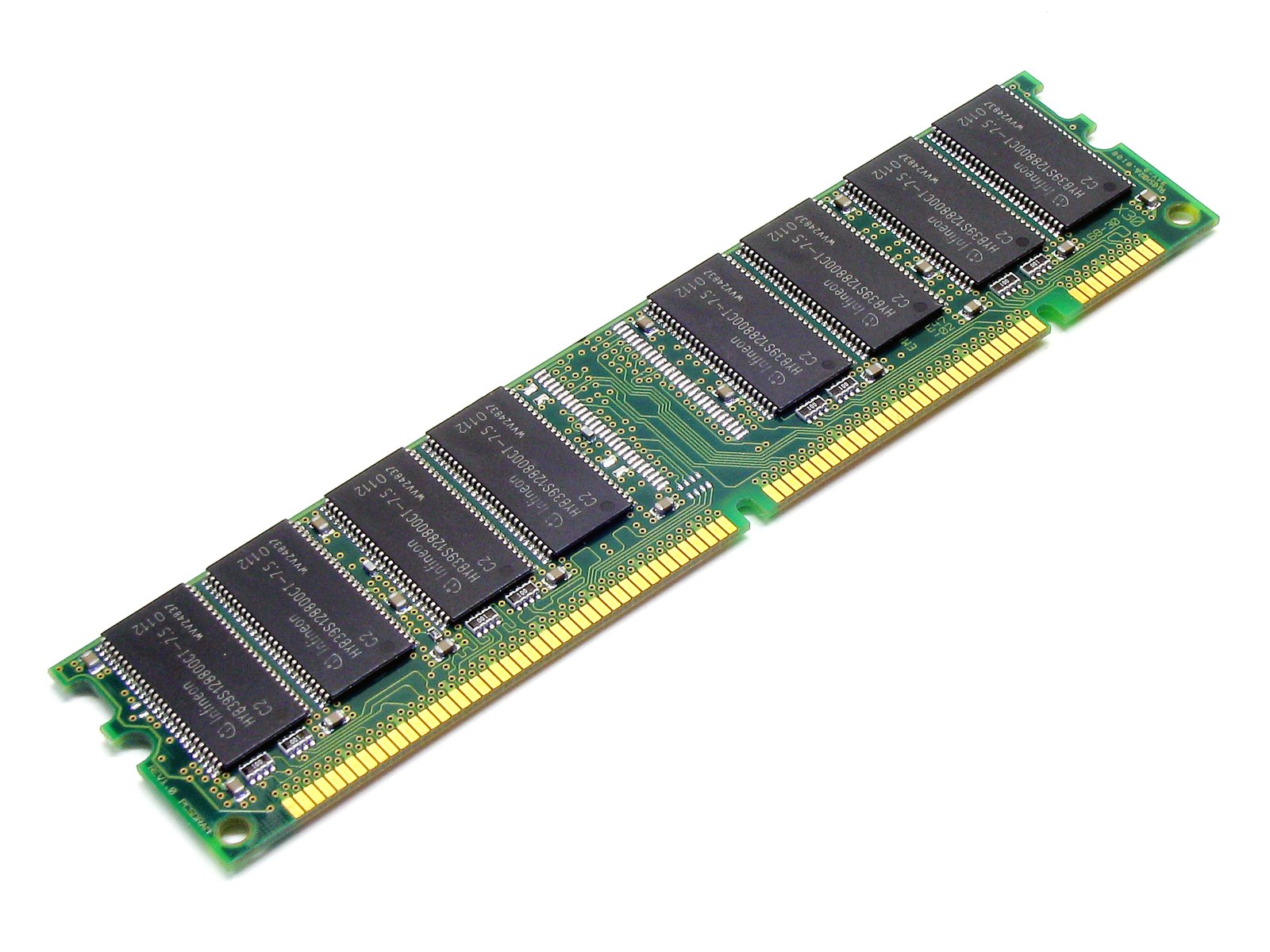
DRAM is a type of volatile memory used in computers to temporarily store data while tasks are processed. It stores each bit in a capacitor that must be constantly refreshed.
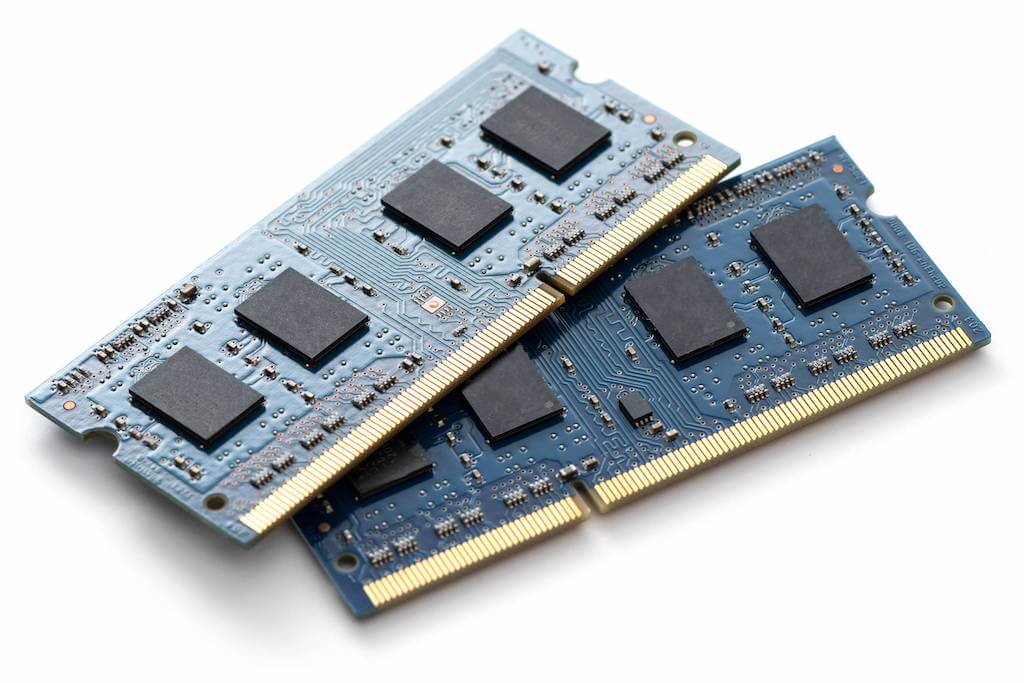
SRAM is a type of volatile memory that stores data using flip-flop circuits, allowing it to retain information as long as power is supplied, without needing constant refreshing like DRAM.

Primary memory, primarily consisting of RAM, is essential for a computer's performance. Its ability to rapidly read and write data makes it crucial for efficient processing and overall system responsiveness.