Dolpo Defenders

Exploring the World of Output Devices

Welcome to Dolpo Defenders

Explore the various output devices that make our interaction with computers seamless and engaging. Click on the sections above to learn more about each type of output device.

Monitors

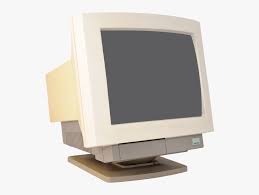
CRT Monitor

CRT (Cathode Ray Tube)

CRT monitors use electron beams to activate phosphors on the screen to create images. They are bulky and heavy but were the standard for many years due to their color accuracy and fast response times.
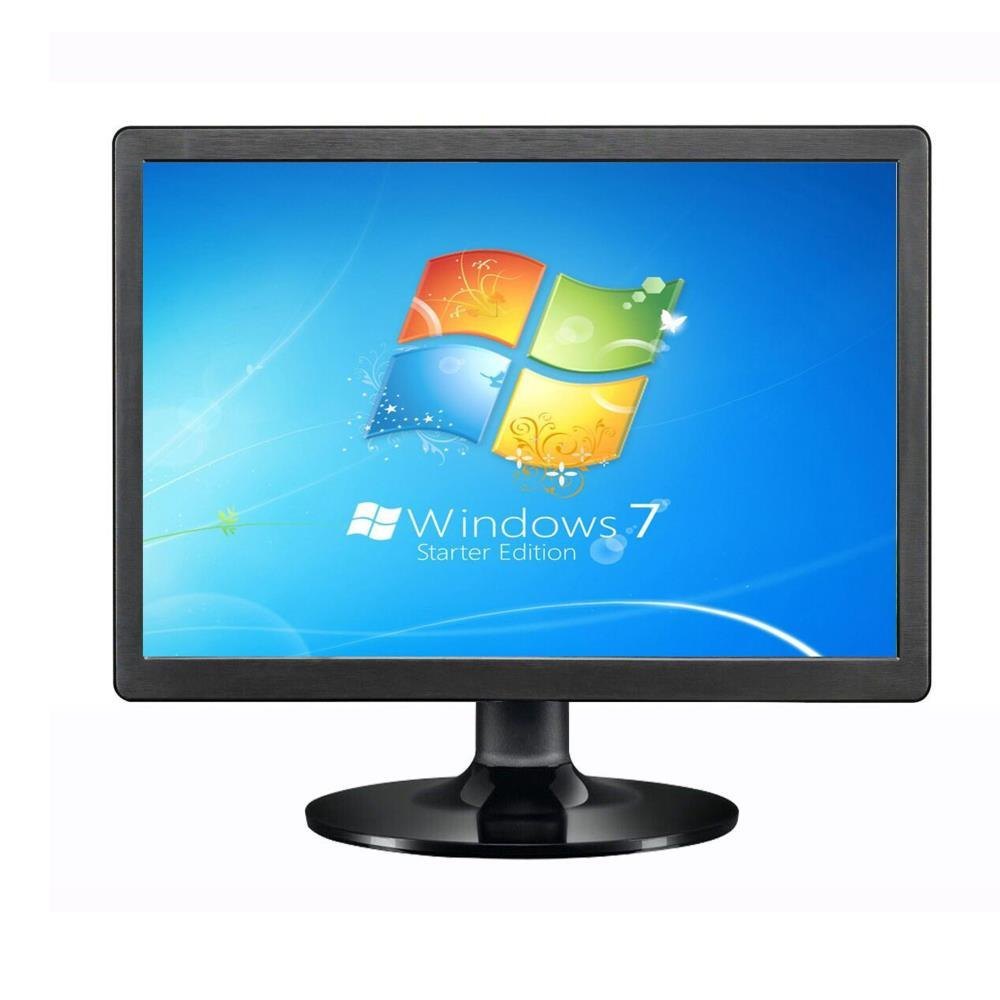
LCD Monitor

LCD (Liquid Crystal Display)

LCD monitors use liquid crystals sandwiched between two glass plates. When voltage is applied, the crystals align to allow light to pass through, forming images. LCDs are slim, lightweight, and energy-efficient, making them popular for both home and office use.
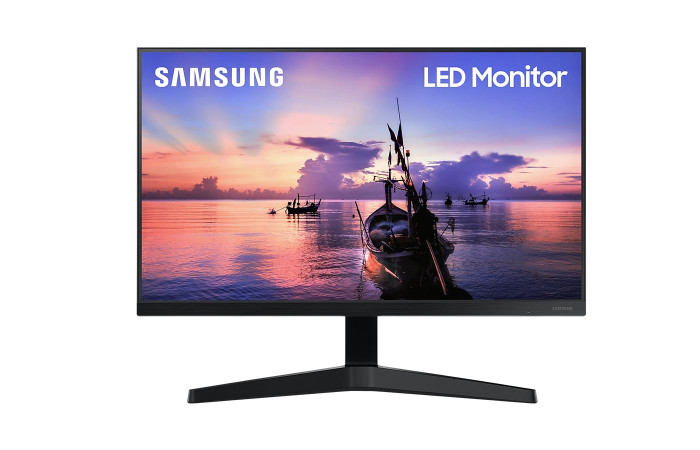
LED Monitor

LED (Light Emitting Diode)

LED monitors are a type of LCD monitor that uses LEDs for backlighting instead of the traditional fluorescent lights. This allows for better color accuracy, thinner panels, and reduced energy consumption.
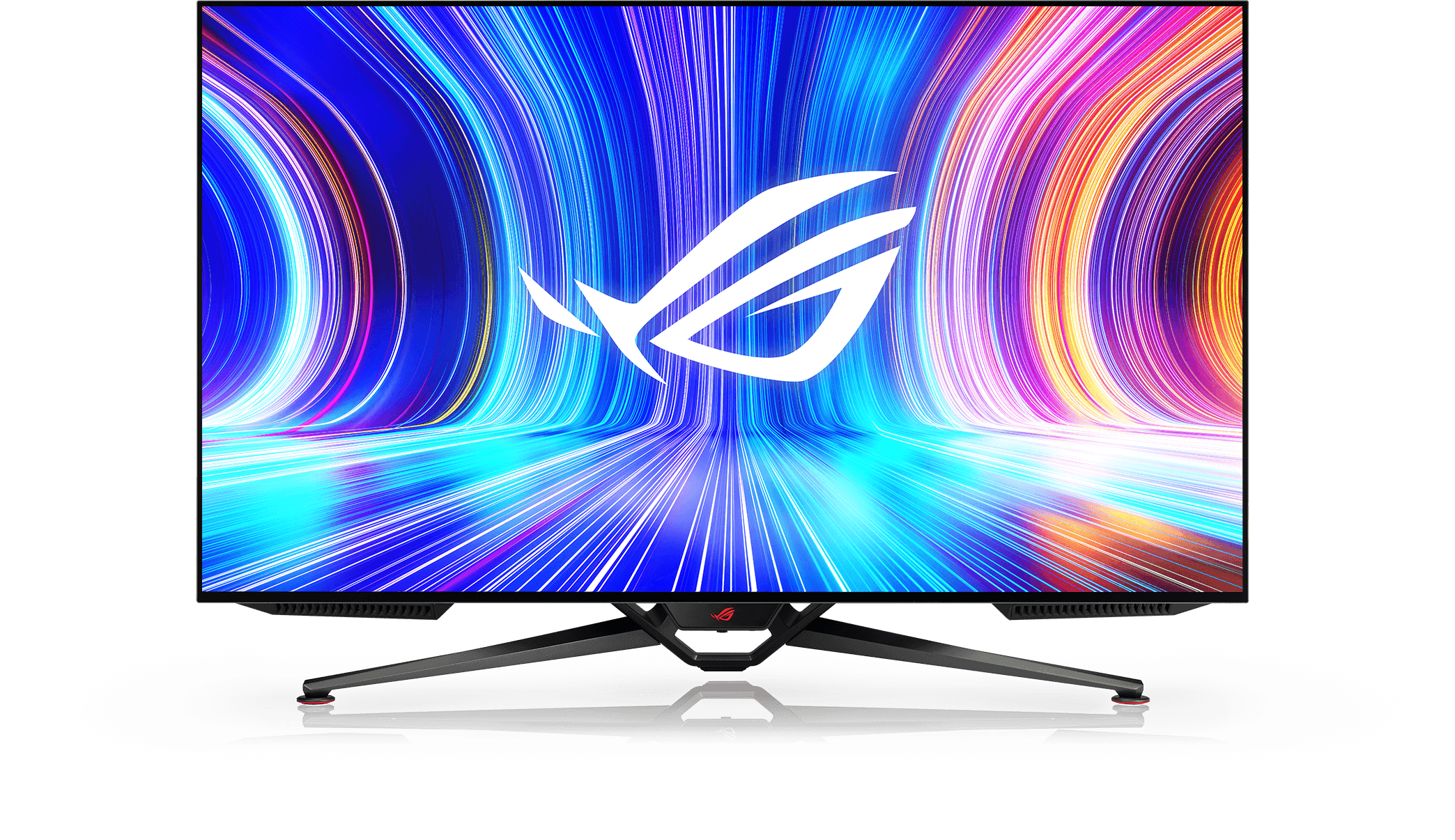
OLED Monitor

OLED (Organic Light Emitting Diode)

OLED monitors use organic compounds that emit light when an electric current is applied. This allows for deeper blacks, higher contrast ratios, and faster response times, making them ideal for gaming and high-end media applications.
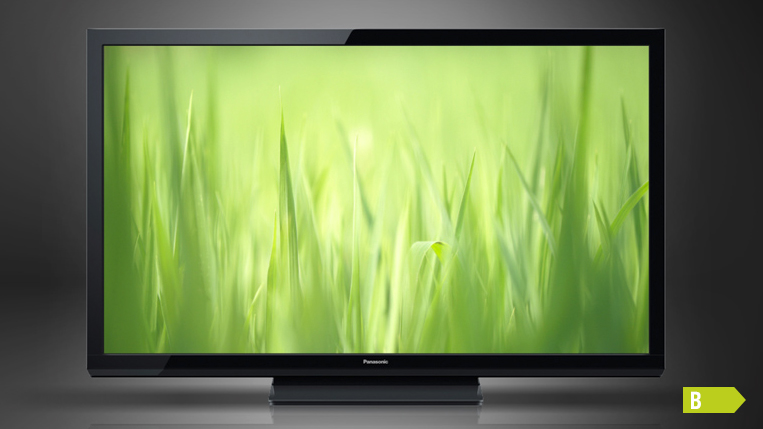
Plasma Monitor

Plasma

Plasma monitors use small cells containing electrically charged ionized gases (plasma) to produce images. They offer excellent color accuracy and contrast but are less common now due to their heavier weight and higher power consumption compared to LCD and LED displays.
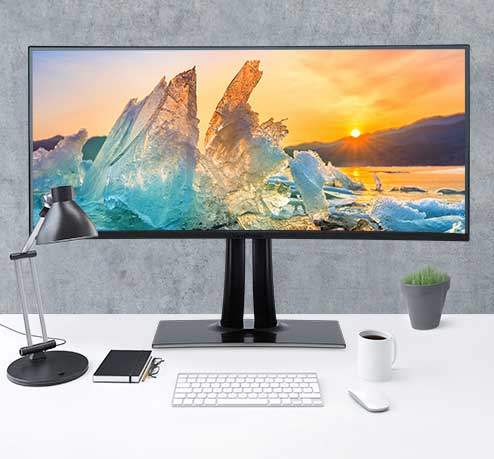
IPS Monitor

IPS (In-Plane Switching)

IPS monitors are a type of LCD that offers better color reproduction and wider viewing angles compared to traditional LCDs. They are favored by graphic designers and photographers for their accurate color performance.
Impact Printers

Impact printers function by physically striking a print head against an ink ribbon to mark the paper. This category includes devices like Dot Matrix and Daisy Wheel printers, which are often used in situations where multi-part forms or carbon copies are needed.

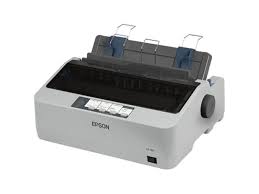
Dot Matrix Printer

Dot Matrix Printer

Dot Matrix printers use a print head that moves back and forth, or in an up-and-down motion, striking an ink-soaked ribbon against the paper to create characters out of dots. Though noisy and slower than modern printers, they are reliable and can print on multipart forms and carbon copies.

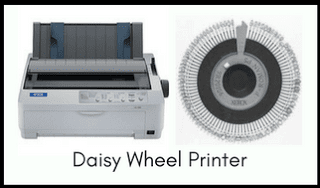
Daisy Wheel Printer

Daisy Wheel Printer

Daisy Wheel printers have a wheel with petals, each with a letter or symbol. When a petal strikes the ink ribbon against the paper, it creates a print. These printers were common in the 1970s and 80s but are now largely obsolete

Non-Impact Printers

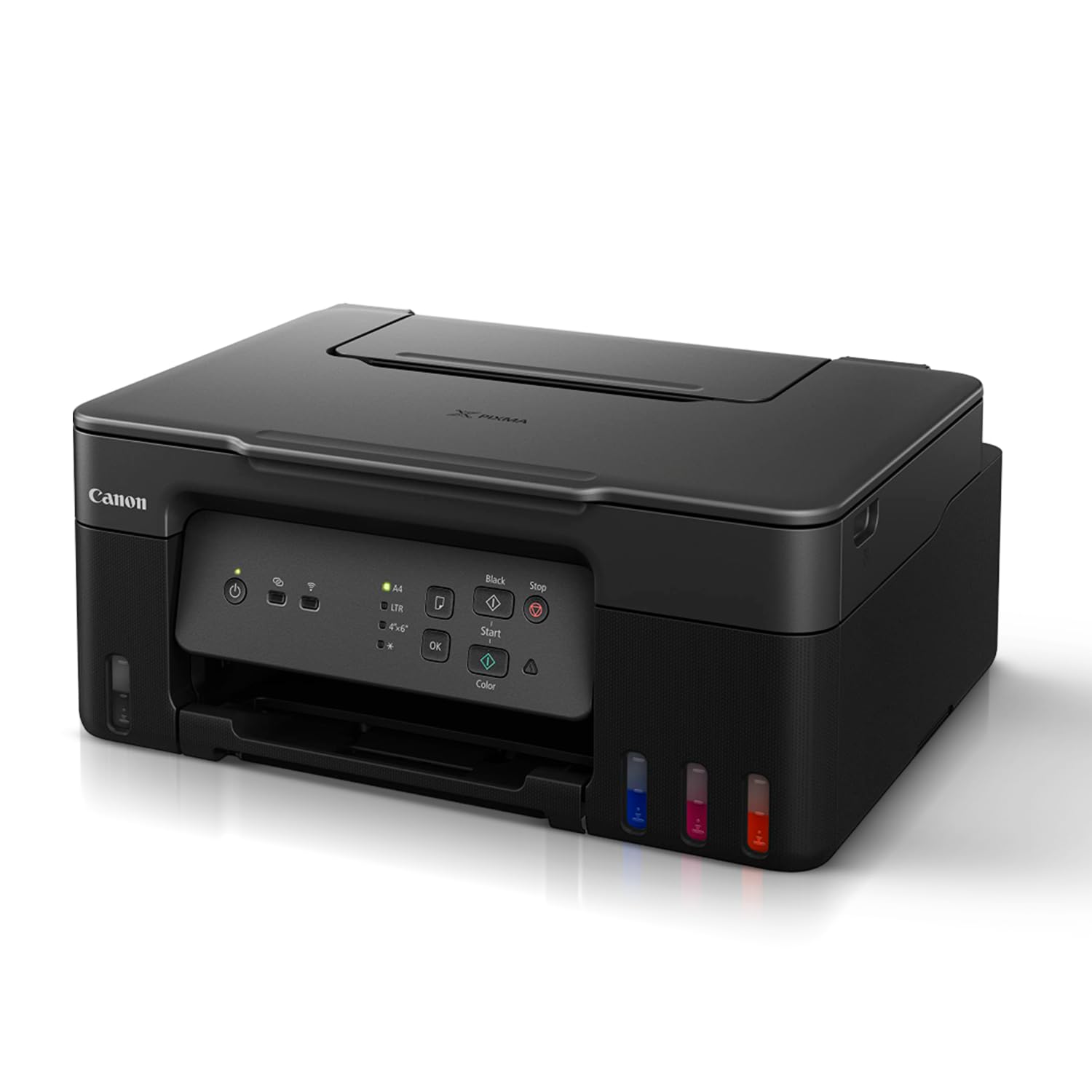
Non-impact printers create images and text on paper without physically striking the paper. These include Inkjet and Laser printers, which are popular for both home and office use due to their high-quality output and fast printing speeds.

Inkjet Printer

Inkjet Printer

Inkjet printers spray tiny droplets of ink directly onto the paper to create an image. They are known for producing high-quality color prints, making them ideal for photos and color documents.

Laser Printer

Laser Printer

Laser printers use a laser beam to produce an image on a drum, which is then transferred to paper using toner. They are known for their fast printing speeds, sharp text quality, and cost-effectiveness for high-volume printing.

Speakers

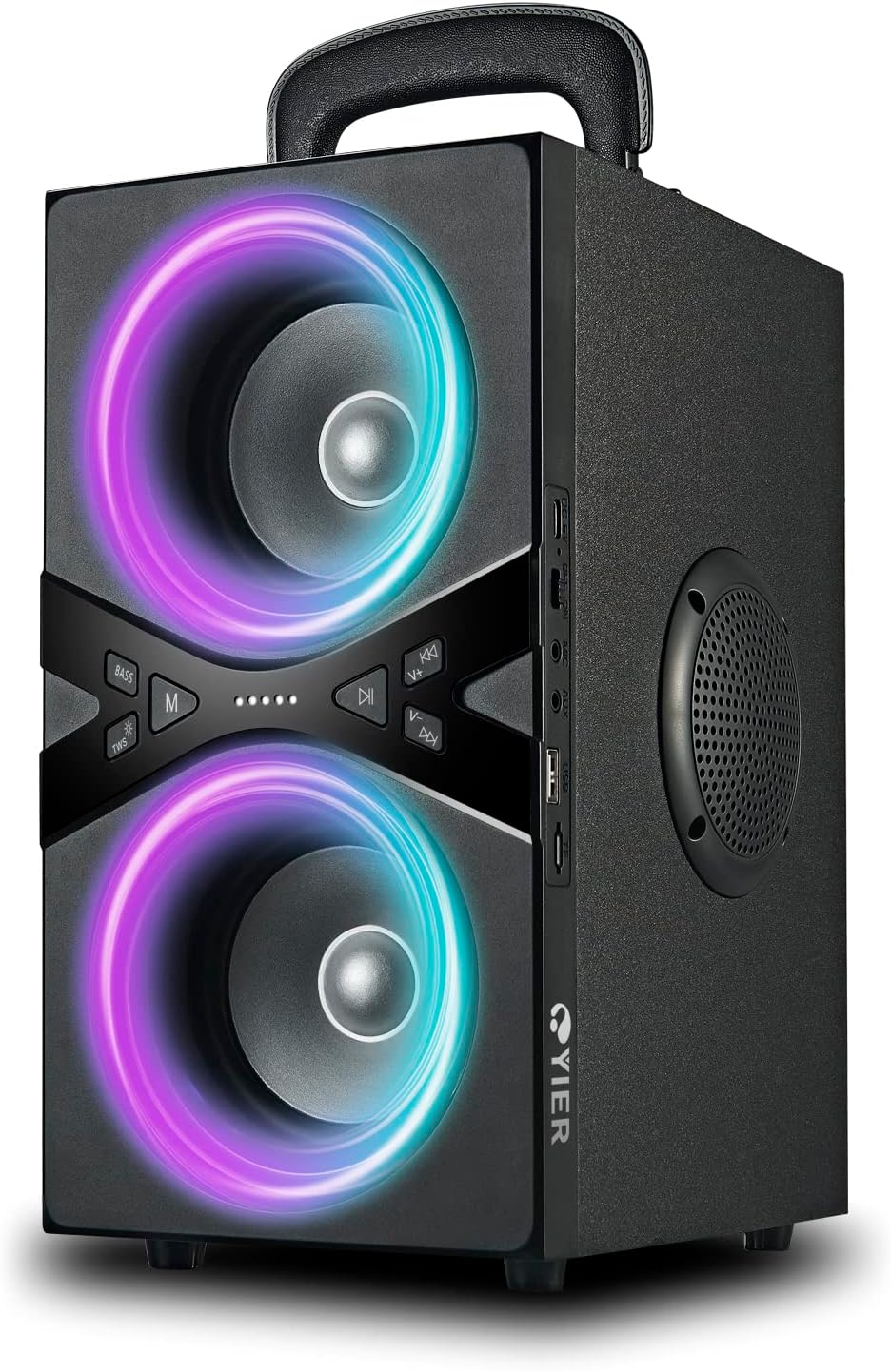
Computer Speakers

Speakers convert digital audio signals into sound, allowing users to listen to music, watch movies, and hear alerts and notifications. They vary in size, quality, and configuration, from basic desktop speakers to high-end surround sound systems.

Speakers are crucial for enhancing the multimedia experience on a computer, and they are often used in conjunction with headphones for private listening.

Graphic Plotters

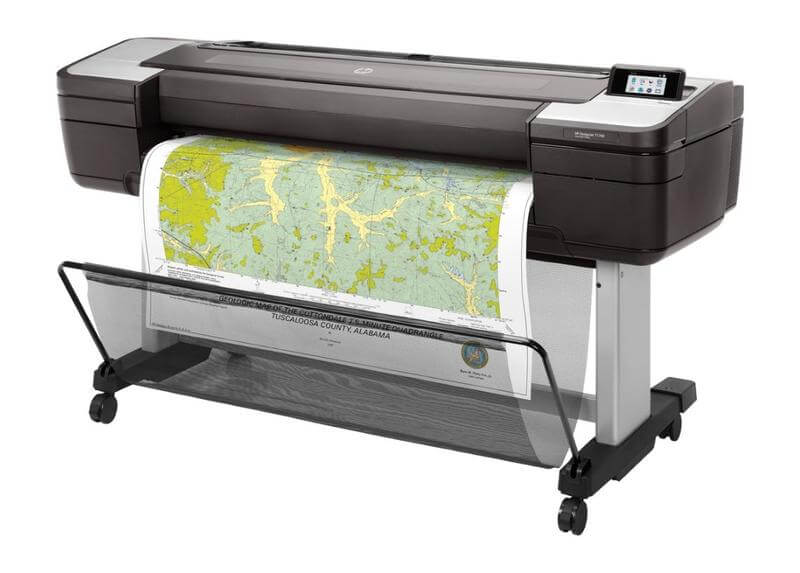
Plotters are output devices used to print high-quality graphics and large-scale drawings such as architectural plans, maps, and engineering designs. They are capable of producing continuous lines, unlike traditional printers that rely on dot matrices.

Plotters use pens to draw on paper, and they can handle large-format media. They are essential tools for professionals in fields that require precise and detailed graphical output.

Graphic Plotter
can we auto adjust the images. because some image are big and some small. i need all same size image how to di