Welcome to Namche Navigators - Secondary Storage Devices

Magnetic Storage Device
Magnetic storage devices are widely used for storing vast amounts of data. These devices use magnetic media to read and write data, including hard drives, floppy disks, and magnetic tapes. They are essential for both personal and professional data storage needs, offering a reliable and cost-effective solution.
Our Design Team

Vidur Adhikari
Team Leader

Aniket Thakur
Content Specialist

Shekhar Bhul
UI/UX Designer

Ruben Rai
Web Developer
We, the Namche Navigators, have come together to create this informative page on "Secondary Storage Devices." Our aim is to educate users on the various types of storage technologies available today, including their applications and benefits. Join us as we navigate through the world of storage devices!
Types of Secondary Storage Devices
Introduction to Storage Devices
Secondary storage devices are non-volatile storage solutions that provide the ability to store data for long-term use. These devices are essential for the preservation of data, enabling users to save files, applications, and system information. They come in various forms, each designed to meet specific storage needs.
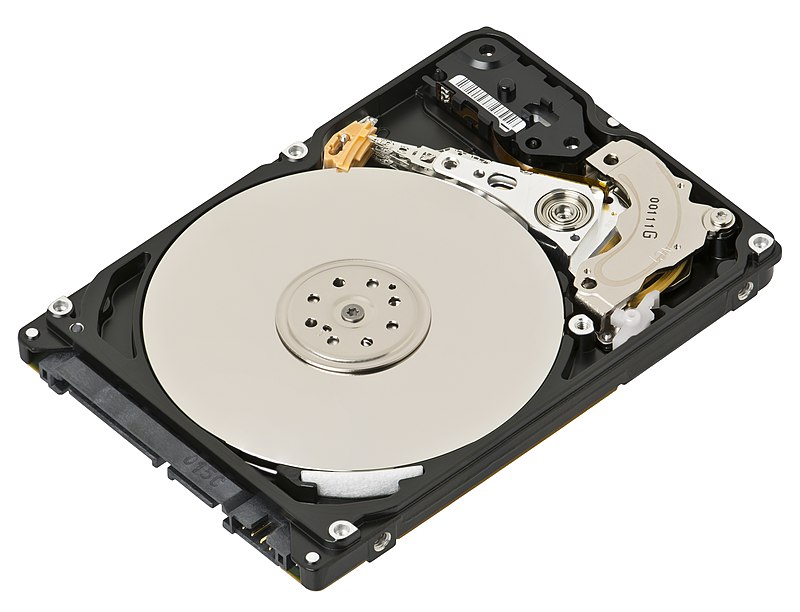
Hard Disk
The hard disk drive (HDD) is one of the most common types of secondary storage devices. It uses magnetic storage to store and retrieve digital data. HDDs are known for their large storage capacity and durability, making them a popular choice for both personal computers and enterprise storage solutions.
Flash Memory
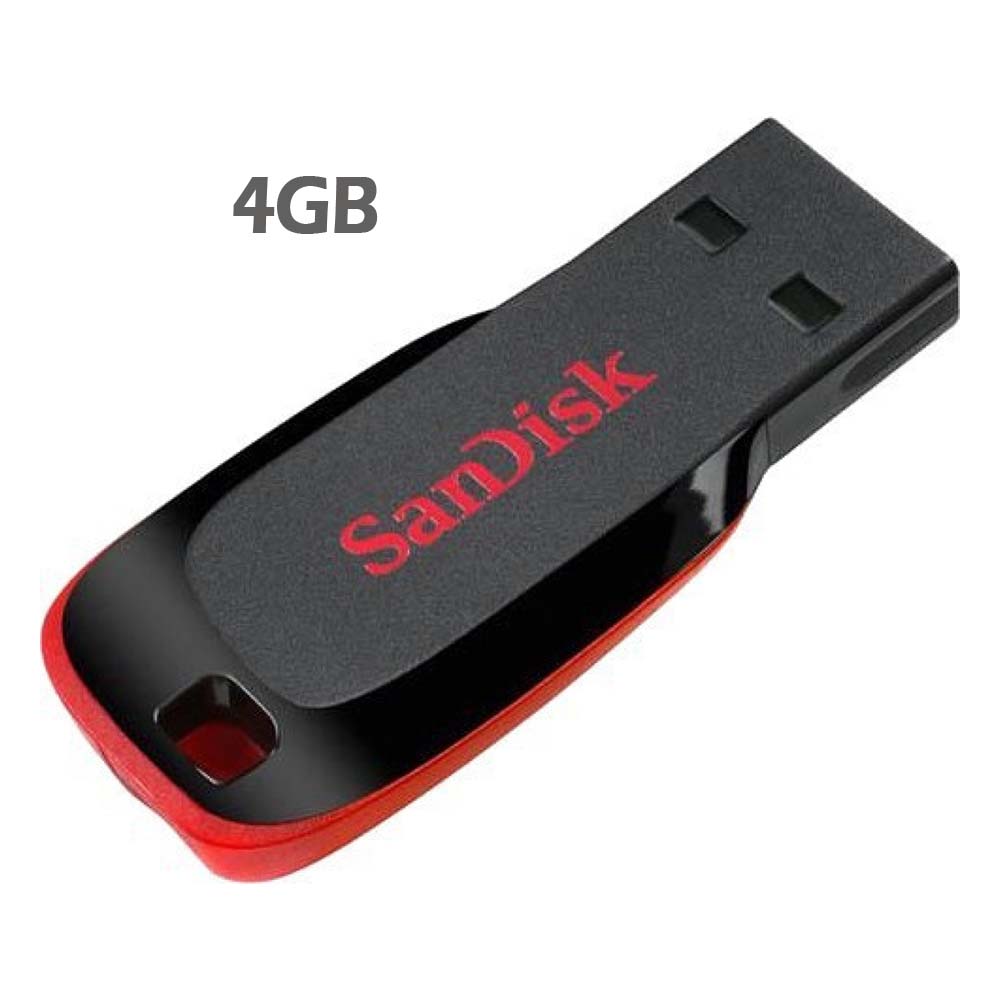
Flash memory is a type of non-volatile storage that can be electrically erased and reprogrammed. It is used in USB flash drives, solid-state drives (SSDs), and memory cards. Flash memory is fast, reliable, and has no moving parts, which makes it an ideal choice for portable devices and high-performance applications.
Optical Storage Device
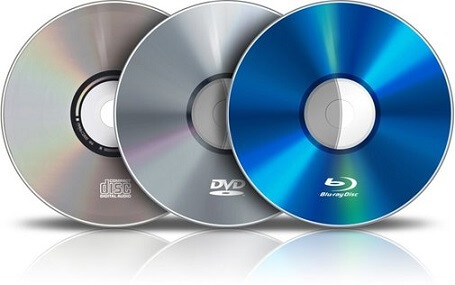
Optical storage devices, such as CD-ROMs, DVDs, and Blu-ray discs, use lasers to read and write data. They are commonly used for media storage and software distribution. Optical media is durable and provides an affordable solution for long-term data archiving.
Units of Memory Measurement
- BIT - Basic unit of data.
- Nibble - 4 bits.
- Byte - 8 bits.
- KB (Kilobyte) - 1024 bytes.
- MB (Megabyte) - 1024 KB.
- GB (Gigabyte) - 1024 MB.
- TB (Terabyte) - 1024 GB.
- PB (Petabyte) - 1024 TB.
Understanding these units is essential for managing and optimizing storage space. They help users determine the size of files, memory requirements for software, and overall storage capacity needs.
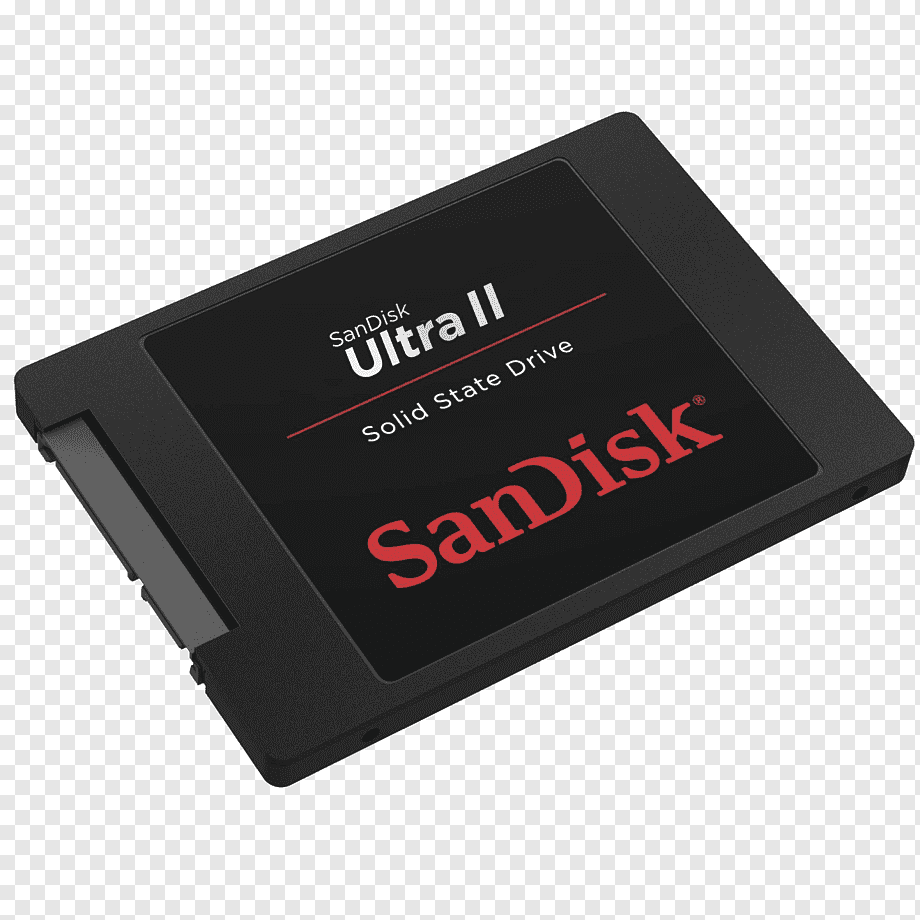
Solid-State Drive (SSD)
Solid-State Drives (SSDs) are a modern storage solution that uses flash memory to store data. Unlike traditional hard drives, SSDs have no moving parts, which results in faster data access speeds, higher reliability, and lower power consumption. They are widely used in laptops, desktops, and servers for improved performance.